Receipt Management and Record Keeping for Small Businesses
Lost receipts mean lost deductions and stressful tax seasons. Here's a simple system to capture, organize, and store your business records.
By Nasir Khan · October 18, 2026 · 8 min read
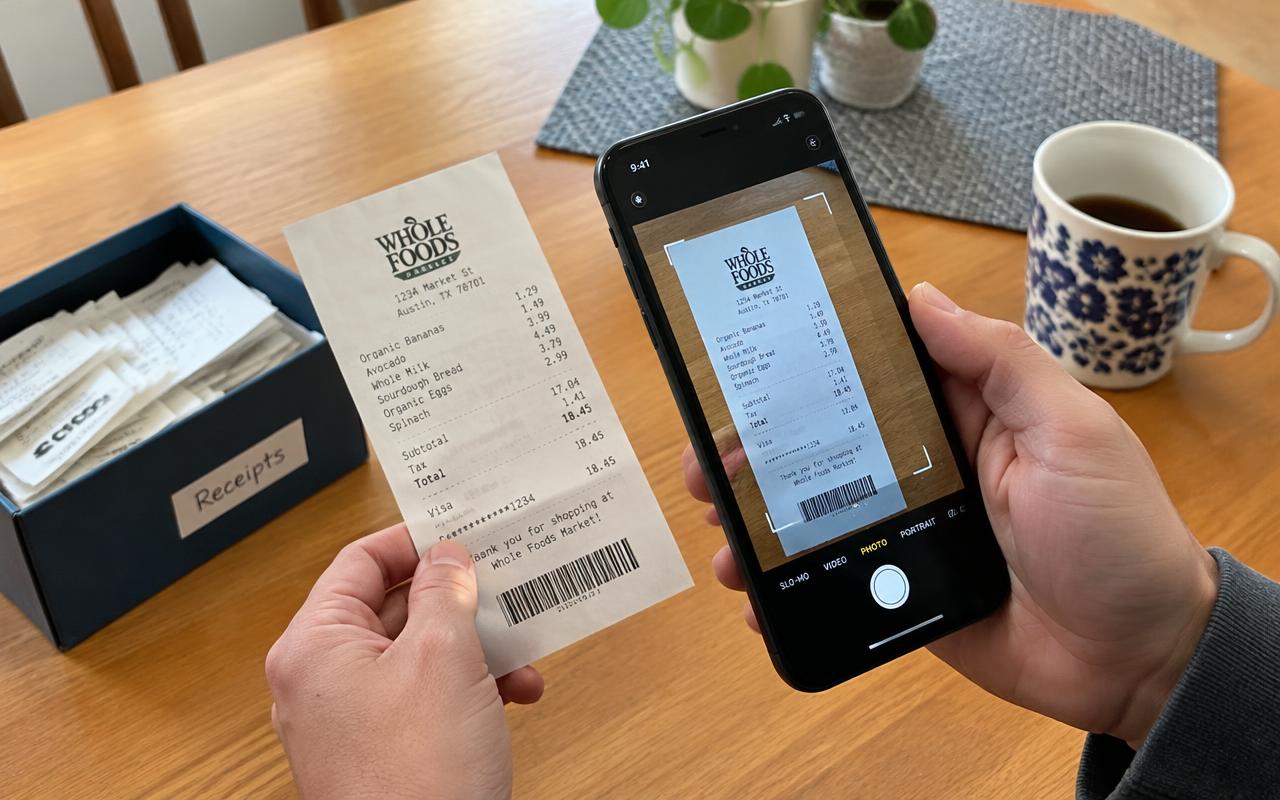
Receipts are the evidence behind every number in your books. Without them, you can't prove an expense was real, and that can cost you deductions or create problems if your tax return is ever reviewed. Yet many business owners keep receipts in a shoebox, a glovebox, or nowhere at all.
This guide gives you a simple, repeatable system for managing receipts and business records so tax time stops being a scramble.
Why Record Keeping Matters
- Supports tax deductions: Tax authorities generally expect documentation for business expenses.
- Makes reconciliation easier: Receipts explain transactions on your bank statement.
- Protects you in disputes: Records help with supplier, customer, or warranty issues.
- Gives a clear picture: Accurate records lead to accurate financial reports.
What Records Should You Keep?
Keep documentation for anything that affects your income, expenses, or assets. That typically includes:
- Sales invoices and receipts you issue
- Purchase receipts and supplier bills
- Bank and credit card statements
- Payroll records
- Contracts and lease agreements
- Records of asset purchases (equipment, vehicles)
- Mileage logs if you claim vehicle expenses
Tip
A bank statement shows that you paid someone, but not always what you bought. Keep the itemized receipt whenever possible.
How Long Should You Keep Records?
Requirements vary by country and situation, so check with your local tax authority or accountant. As a general guide, many jurisdictions recommend keeping business tax records for at least five to seven years, and asset records for as long as you own the asset plus several years after. When in doubt, keep them longer.
A Simple 4-Step Receipt System
1. Capture Immediately
Photograph or scan each receipt the moment you get it. Most accounting apps, including QuickBooks Online and Xero, let you snap a picture with your phone and attach it to the transaction.
2. Name and Categorize
Use a consistent naming format such as `2026-10-18_Vendor_Amount`. Assign each receipt to the right category from your chart of accounts.
3. Store Securely
Keep digital copies in cloud storage with folders by year and month, and back them up. Thermal paper receipts fade over time, so a scan is often more reliable than the original.
4. Review Weekly
Spend 15 minutes each week matching receipts to transactions. Flag anything missing while it's still fresh in your memory.
Going Paperless the Right Way
Digital records are widely accepted, but they need to be clear, complete, and readable. Make sure scans show the date, vendor, amount, and items purchased. Before throwing away paper originals, confirm your local rules allow digital-only records.
Common Record-Keeping Mistakes
- Mixing personal and business receipts
- Waiting until tax season to organize everything
- Relying only on bank statements
- No backup of digital files
For more pitfalls to avoid, read our guide to common bookkeeping mistakes.
Final Thoughts
Good record keeping isn't complicated — it's consistent. Capture, categorize, store, and review. Add this to your monthly bookkeeping checklist and you'll always be ready for tax time.
Frequently asked questions
Are photos of receipts acceptable?
In many countries, clear digital copies are acceptable. Check your local tax authority's rules to be sure.
How long should I keep business receipts?
Commonly five to seven years, but requirements vary by country. Ask your accountant for your specific situation.
What if I lose a receipt?
Write down the date, vendor, amount, and purpose right away, and keep the matching bank or card statement as supporting evidence.
Do I need receipts for small purchases?
It's best practice to keep receipts for all business purchases, regardless of size.
Related guides

10 Common Bookkeeping Mistakes Small Businesses Make
From mixing personal and business expenses to ignoring bank reconciliation, these common bookkeeping mistakes can cost small businesses time, money, and peace of mind.
Monthly Bookkeeping Checklist for Small Business Owners
A step-by-step checklist to close your books every month, catch errors early, and always know where your business actually stands financially.

How to Do Bookkeeping for a Small Business (Step-by-Step)
Learn the exact steps to set up and run bookkeeping for your small business, even if you've never touched a ledger before.