10 Common Bookkeeping Mistakes Small Businesses Make
From mixing personal and business expenses to ignoring bank reconciliation, these common bookkeeping mistakes can cost small businesses time, money, and peace of mind.
By Nasir Khan · August 4, 2026 · 10 min read

Good bookkeeping isn't just about keeping the IRS happy — it's the foundation for making smart decisions about your business. Yet even diligent small business owners fall into predictable traps that lead to inaccurate books, missed tax deductions, and financial surprises down the road.
Whether you're handling your own books or just getting started with how to do bookkeeping for a small business, knowing these common pitfalls ahead of time can save you hours of cleanup and a lot of stress at tax time. Here are the 10 mistakes we see most often.
1. Mixing Personal and Business Finances
This is the single most common mistake among new business owners. Using one bank account and credit card for both personal and business expenses makes it nearly impossible to get an accurate read on your business's financial health, and it can create real headaches if the IRS ever questions your deductions.
The Fix
Open a dedicated business bank account and business credit card as soon as you start operating, even if you're a sole proprietor with no legal separation requirement. Run every business transaction through those accounts exclusively.
2. Falling Behind on Data Entry
It's easy to let receipts and invoices pile up when you're busy running your business. But the longer you wait to record transactions, the harder it becomes to remember details, match receipts to charges, and catch errors while they're still fresh.
- Set aside a consistent block of time each week for bookkeeping tasks
- Use software that connects directly to your bank and credit card feeds
- Snap photos of receipts immediately rather than stuffing them in a drawer
3. Not Reconciling Bank Accounts Regularly
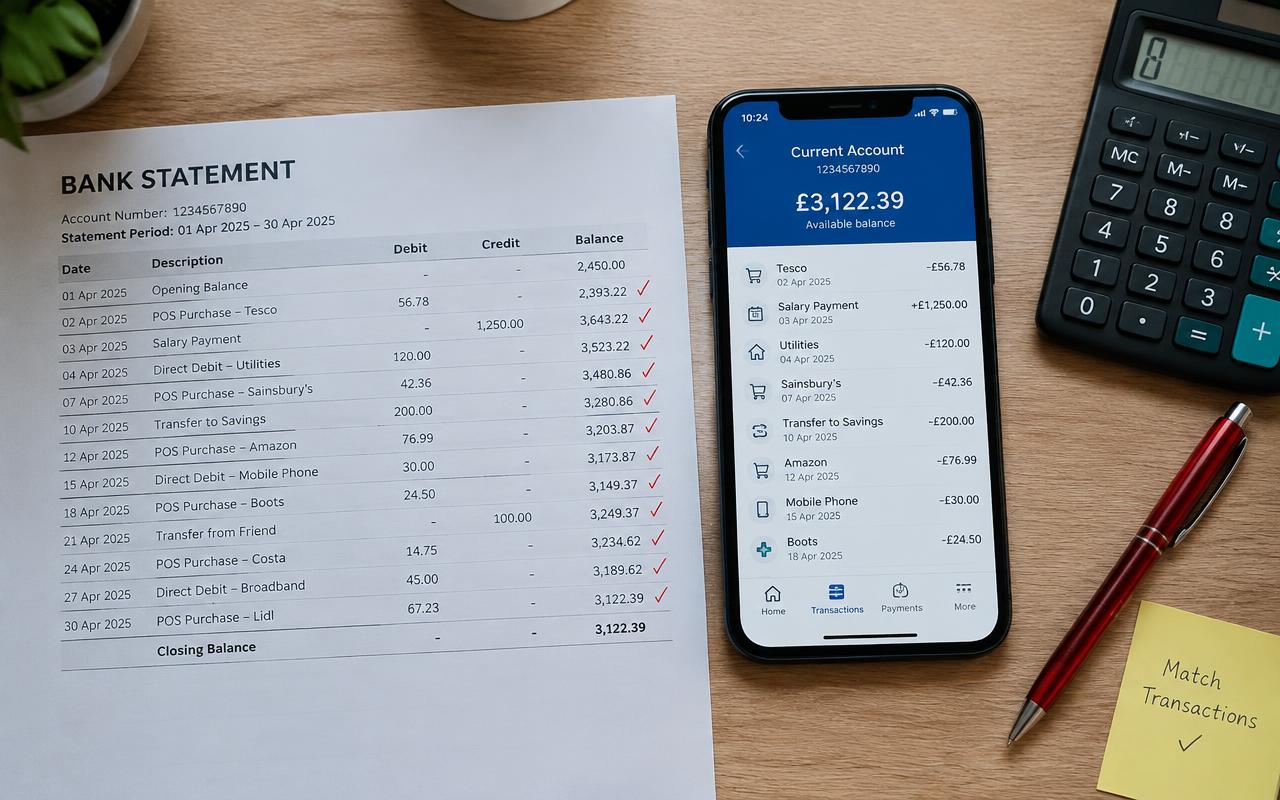
Skipping bank reconciliation means errors, duplicate entries, and even fraud can go unnoticed for months. Reconciliation is the process of comparing your books to your actual bank statement to confirm everything matches. Our bank reconciliation guide walks through the process step by step.
Callout
Make monthly reconciliation non-negotiable. It's one of the fastest ways to catch mistakes, missed transactions, or unauthorized charges before they snowball into bigger problems.
4. Misclassifying Transactions
Putting expenses in the wrong category — like recording a loan payment entirely as an expense instead of splitting it into principal and interest — can distort your financial statements and lead to inaccurate tax filings. This often happens when a chart of accounts isn't set up thoughtfully from the start.
Common Misclassification Examples
- Recording owner draws as business expenses
- Classifying equipment purchases as regular expenses instead of capital assets
- Mixing up cost of goods sold with operating expenses
- Recording loan proceeds as income rather than a liability
5. Ignoring Accounts Receivable
If you extend credit to customers, unpaid invoices can quietly drain your cash flow. Many business owners fail to track who owes them money or follow up consistently on overdue invoices, which can lead to real cash shortfalls even when the business looks profitable on paper.
Setting Up a Collections Routine
A simple fix is to build a standard collections routine: send invoices promptly, follow up at 7, 14, and 30 days past due, and consider charging a late fee for chronically slow payers. Many accounting platforms can automate these reminders so you're not manually chasing every client.
6. Not Keeping Receipts and Documentation
The IRS generally requires documentation to support deductions, and "I'm pretty sure I bought that for the business" won't hold up in an audit. Digital receipt-capture tools make this easier than ever, so there's little excuse for a disorganized shoebox of paper anymore.
7. Choosing the Wrong Accounting Method
Some businesses default into cash or accrual accounting without really understanding the tradeoffs, which can create confusing financial statements or tax timing issues later. Take time to understand the difference in our guide to cash vs accrual accounting before committing to a method.
Payroll Compliance Checklist
- Classify workers correctly as employees or independent contractors
- Collect W-4 and I-9 forms before the first paycheck
- Set up federal, state, and local tax withholding accurately
- Deposit payroll taxes on the required schedule to avoid penalties
8. DIY-ing Payroll Without Proper Setup
Payroll involves far more than just cutting a check: tax withholding, employer tax deposits, quarterly filings, and year-end forms like W-2s and 1099s all carry strict deadlines and penalties for errors. Many small business owners underestimate this complexity and end up with costly payroll tax penalties.
9. Not Tracking Sales Tax Correctly
Sales tax rules vary by state and even by locality, and they change frequently. Businesses that sell across state lines, especially online sellers, often misjudge where they have tax obligations (known as nexus) or fail to remit collected sales tax on time.
How to Stay on Top of Sales Tax
- Identify every state and locality where you have sales tax nexus
- Register for a sales tax permit in each applicable jurisdiction
- Use software or a service to automate rate calculation and filing
- Set calendar reminders for filing deadlines, which vary by state
Why Documentation Really Matters
Beyond audit protection, good documentation habits make your books far more trustworthy. If you ever apply for a business loan, bring on an investor, or sell your business, buyers and lenders will want to see clean, well-supported financial records. Scattered or missing documentation can slow down or even derail these opportunities.
10. Trying to Do Everything Without the Right Tools or Help
Spreadsheets work for a while, but most growing businesses eventually need dedicated software or professional help to keep up. Learning a tool like QuickBooks Online can dramatically cut down on manual errors, and knowing when to bring in outside help is just as important as doing the work yourself. If you're weighing the cost, check out our guide on how much a bookkeeper costs.
The good news is that none of these mistakes are hard to avoid once you know what to watch for. Building a consistent routine, using the right software, and staying organized from day one will save you countless hours and dollars as your business grows. If you're unsure where your own books currently stand, consider setting aside an afternoon to review each of the ten areas above and note where you might be falling short.
Remember that bookkeeping doesn't need to be perfect from day one, but it does need to be consistent. Small, regular improvements compound over time, turning what once felt like an overwhelming chore into a routine part of running a healthy, well-informed business.
Frequently asked questions
What is the most common bookkeeping mistake small businesses make?
Mixing personal and business finances is by far the most common mistake. It muddies your financial picture and can create tax complications, so opening a separate business bank account is one of the highest-impact fixes you can make.
How often should I update my books?
Ideally, weekly. Falling behind makes it harder to recall transaction details and catch errors. Many businesses also do a lighter daily check-in and a more thorough weekly or biweekly session.
Can bookkeeping mistakes trigger an audit?
While bookkeeping errors alone don't automatically trigger an audit, inconsistent records, missing documentation, and misclassified expenses can raise red flags and make an audit far more stressful if one does occur.
Is it worth hiring a bookkeeper to avoid these mistakes?
For many small businesses, yes. A professional bookkeeper brings consistency and expertise that prevents costly errors, and the time you save can often be redirected toward revenue-generating activities.
What's the easiest mistake to fix right away?
Separating personal and business finances is usually the quickest win. Opening a dedicated business bank account and credit card takes minimal effort but immediately improves the accuracy of your books.
Related guides

How to Do Bookkeeping for a Small Business (Step-by-Step)
Learn the exact steps to set up and run bookkeeping for your small business, even if you've never touched a ledger before.
Bank Reconciliation: A Step-by-Step Guide
Bank reconciliation is the single best habit you can build to catch errors, fraud, and missing transactions before they become a real problem.

Monthly Bookkeeping Checklist for Small Business Owners
A step-by-step checklist to close your books every month, catch errors early, and always know where your business actually stands financially.