What Is Bookkeeping? A Complete Beginner's Guide
A plain-English introduction to bookkeeping: what it is, why every small business needs it, and the core tasks you'll need to master.
By Nasir Khan · July 14, 2026 · 8 min read

If you've ever started a small business, you've probably heard the word "bookkeeping" thrown around a lot — usually followed by a sigh. But bookkeeping isn't just a chore to dread; it's the foundation that tells you whether your business is actually making money, where your cash is going, and whether you're ready to grow.
In this guide, we'll break down exactly what bookkeeping is, why it matters, and what tasks it actually involves — no jargon, no assumptions that you already have an accounting degree.
Bookkeeping Defined
Bookkeeping is the process of recording, organizing, and maintaining a business's financial transactions on a regular, usually daily, basis. Every sale, purchase, payment, and receipt gets logged so that the business has an accurate, up-to-date picture of its financial activity.
Think of bookkeeping as the data-entry layer of your business's finances. It's distinct from accounting, which uses that data to analyze performance, file taxes, and make strategic decisions. If you want a deeper comparison, see our article on bookkeeping vs accounting.
Why the Name "Bookkeeping"?
The term comes from the literal practice of keeping financial records in physical ledger books. While most businesses today use software instead of paper ledgers, the core idea hasn't changed: you're keeping a reliable book of record for every dollar that moves through your business.
Why Bookkeeping Matters for Small Businesses
Good bookkeeping isn't optional busywork — it's what makes everything else in your business possible. Here's why it matters so much.
- Tax compliance: Accurate records make filing taxes faster, cheaper, and far less stressful, and they protect you in the event of an audit.
- Cash flow visibility: You can see exactly how much money is coming in and going out, which helps you avoid surprises.
- Informed decisions: You can't price products, hire employees, or plan for growth without knowing your real numbers.
- Loan and investor readiness: Banks and investors want to see clean, organized financial statements before they commit money.
- Legal protection: Well-kept records separate personal and business finances, which matters for liability protection, especially for LLCs.
Good to Know
The IRS requires businesses to keep records that support income, deductions, and credits reported on tax returns — generally for at least three years. Sloppy bookkeeping can mean lost deductions and a much bigger tax bill.
Core Bookkeeping Tasks
Bookkeeping covers a range of recurring tasks. Depending on the size of your business, you might do these daily, weekly, or monthly.
Recording Transactions
Every sale, expense, payment, and transfer gets entered into your books, typically using accounting software connected to your bank and credit card accounts.
Categorizing Expenses
Transactions need to be sorted into the right categories (rent, supplies, payroll, marketing, and so on) using a chart of accounts, which is essentially the master list of categories your business uses to organize its finances.
Reconciling Bank Accounts
Each month, bookkeepers compare the business's internal records against bank and credit card statements to catch errors, missed transactions, or fraud. Our bank reconciliation guide walks through the process step by step.
Managing Invoices and Bills
Tracking money owed to you (accounts receivable) and money you owe (accounts payable) keeps cash flow predictable and relationships with customers and vendors healthy.
Running Payroll Records
If you have employees, bookkeeping includes tracking wages, taxes withheld, and benefits contributions so payroll stays accurate and compliant.
Single-Entry vs. Double-Entry Bookkeeping
There are two main bookkeeping methods, and understanding the difference helps you choose the right approach for your business.
- Single-entry bookkeeping: Each transaction is recorded once, similar to a checkbook register. It's simple but limited — fine for very small, cash-based businesses.
- Double-entry bookkeeping: Each transaction is recorded in two accounts (a debit and a credit), which keeps the books balanced and provides a much more complete financial picture. This is the standard used by most accounting software and required for accrual-basis financial statements.
Most growing businesses eventually move to double-entry bookkeeping because it supports more accurate financial statements and is required if you ever want formal financial reports like a balance sheet.
Cash Basis vs. Accrual Basis
Bookkeeping also involves choosing when transactions get recorded. Under the cash basis, you record income and expenses when money actually changes hands. Under the accrual basis, you record them when they're earned or incurred, regardless of when cash moves. This choice affects how your financial statements look and when you'll owe taxes. Read our full breakdown in cash vs. accrual accounting.
DIY Bookkeeping vs. Hiring Help
Many business owners start out doing their own bookkeeping, especially in the first year when transaction volume is low. As the business grows, though, bookkeeping can eat up hours better spent running the business — and mistakes become more costly.
If you decide to outsource, it helps to know what you're paying for. Our guide on bookkeeper costs and pricing breaks down typical rates for freelancers, firms, and software-plus-service options.
Getting Started with Bookkeeping
If you're setting up bookkeeping for the first time, here's a simple sequence to follow:
- Open a dedicated business bank account and credit card.
- Choose accounting software that fits your business size and industry.
- Set up a chart of accounts that matches how your business actually makes and spends money.
- Decide between cash and accrual basis accounting.
- Establish a routine — weekly transaction review and monthly reconciliation at minimum.
- Keep digital copies of receipts and invoices in case you need them later.
Common Pitfall
Mixing personal and business expenses is one of the most frequent — and most damaging — bookkeeping mistakes. See our full list in 10 common bookkeeping mistakes to avoid the most costly ones.
Bookkeeping may not be the most glamorous part of running a business, but it's one of the most important. With a consistent system in place, you'll always know where your business stands financially — and you'll be ready for tax season, loan applications, and growth opportunities when they come.
Frequently asked questions
Is bookkeeping hard to learn?
The basics of bookkeeping are very learnable, especially with modern accounting software that automates much of the data entry. The learning curve comes from understanding categorization, reconciliation, and financial statements, but most small business owners can manage simple bookkeeping with some practice and good habits.
Do I need bookkeeping if I use accounting software?
Yes. Software automates data entry and calculations, but someone still needs to review transactions, categorize them correctly, reconcile accounts, and catch errors. Software is a tool for bookkeeping, not a replacement for it.
How often should I do bookkeeping tasks?
Most small businesses benefit from reviewing and categorizing transactions weekly, and performing a full bank reconciliation monthly. Waiting until tax time to do a year's worth of bookkeeping at once usually leads to errors and missed deductions.
What's the difference between a bookkeeper and an accountant?
Bookkeepers focus on recording and organizing day-to-day transactions, while accountants use that data to prepare tax returns, analyze financial performance, and offer strategic advice. Many small businesses use both roles, sometimes combined in one person.
Can I do my own bookkeeping as a sole proprietor?
Absolutely. Many sole proprietors with simple finances handle their own bookkeeping using software, especially in the early stages. As transaction volume and complexity grow, outsourcing to a professional often saves time and reduces costly errors.
Related guides

Bookkeeping vs Accounting: What's the Difference?
Bookkeeping and accounting are often used interchangeably, but they're different jobs with different goals. Here's how to tell them apart.

How to Do Bookkeeping for a Small Business (Step-by-Step)
Learn the exact steps to set up and run bookkeeping for your small business, even if you've never touched a ledger before.
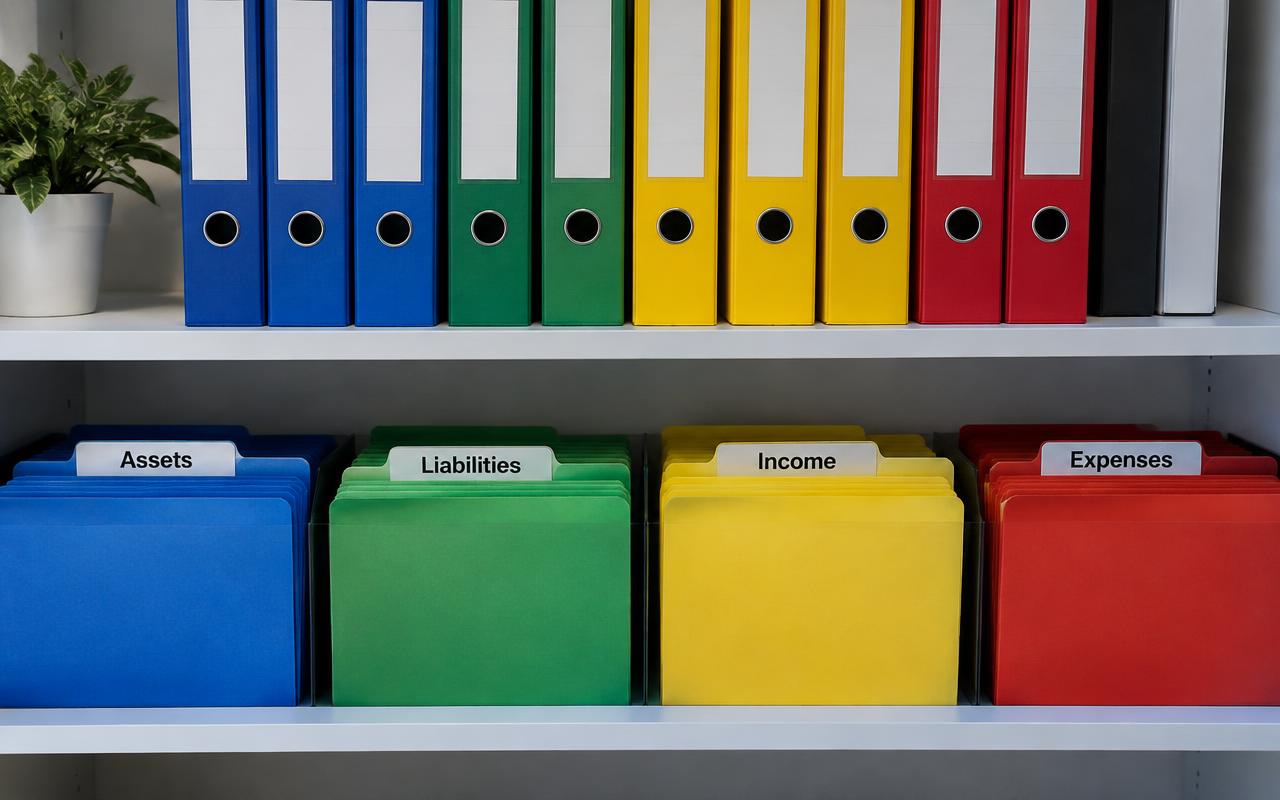
Chart of Accounts: Complete Setup Guide
A well-built chart of accounts is the backbone of accurate books. Here's how to set one up correctly from the start, with real-world examples.