Year-End Bookkeeping Checklist: Close Your Books with Confidence
Closing your books at year-end doesn't have to be stressful. Follow this checklist to finish the year organized and ready for tax season.
By Nasir Khan · October 20, 2026 · 9 min read
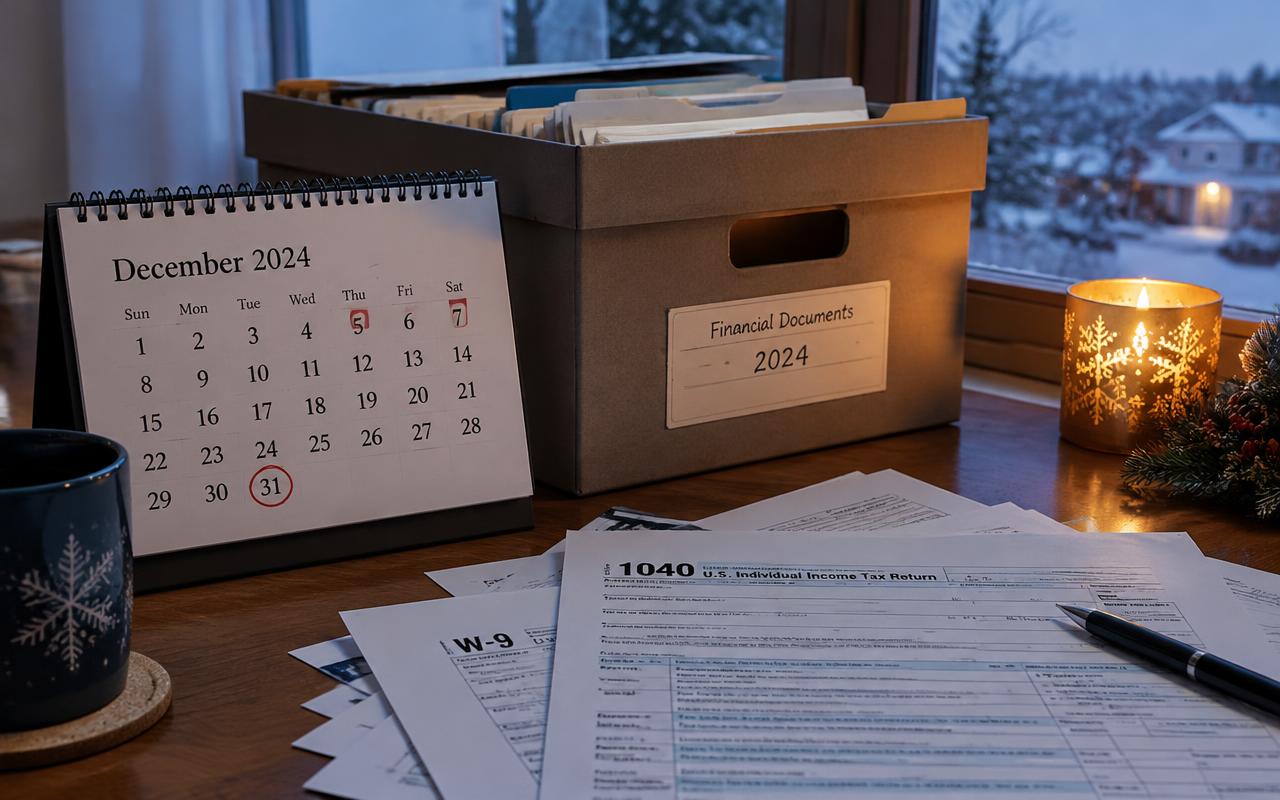
The end of the financial year is when all your bookkeeping habits come together. A clean year-end close means accurate tax returns, fewer questions from your accountant, and a clear view of how the business performed.
If you've followed a monthly bookkeeping checklist throughout the year, year-end will be much easier. Either way, this step-by-step list will help you finish strong.
1. Reconcile Every Account
Make sure every bank account, credit card, and loan account is reconciled through the last day of the year. Unreconciled accounts are the number-one cause of year-end errors. Our bank reconciliation guide covers the process.
2. Review Accounts Receivable
Run an aging report and follow up on overdue invoices. If some invoices are truly uncollectible, discuss writing them off as bad debt with your accountant. Learn more in our guide to accounts payable vs. receivable.
3. Review Accounts Payable
Confirm all supplier bills for the year are recorded, including any that arrive in early January but relate to December. Remove duplicate or already-paid bills.
4. Count Inventory
If you hold stock, perform a physical count at year-end and compare it to your records. Adjust for damaged, lost, or obsolete items. Inventory value directly affects your cost of goods sold and profit.
5. Review Fixed Assets
List equipment, vehicles, and other assets bought or sold during the year. Your accountant will use this to calculate depreciation. Keep purchase receipts handy — see our receipt management guide.
6. Check Payroll and Contractor Records
Verify total wages, taxes withheld, and contractor payments. Many countries require year-end payroll or contractor forms, so confirm deadlines with your accountant or payroll provider.
7. Categorize Uncategorized Transactions
Look for transactions sitting in 'uncategorized' or 'ask my accountant' accounts and assign them properly using your chart of accounts.
8. Separate Personal and Business Items
Find and reclassify any personal expenses paid from business accounts (and vice versa) as owner draws or contributions. This is one of the most common bookkeeping mistakes.
9. Run Your Year-End Reports
- Profit and loss statement for the full year — see our P&L guide
- Balance sheet as of the last day of the year
- AR and AP aging reports
- General ledger for your accountant
10. Back Up and Lock the Period
Export and save copies of your reports and records. In accounting software, set a closing date to prevent accidental changes to the finished year.
Plan ahead
Book time with your accountant before year-end, not after. A short planning conversation can reveal tax-saving opportunities that are only available before the year closes.
Final Thoughts
A year-end close is simply your monthly routine done with extra care. Work through this checklist, hand clean reports to your accountant, and start the new year with a fresh, organized set of books.
Frequently asked questions
When should I start year-end bookkeeping?
Start reviewing in the last month of your financial year so you have time to fix issues before the deadline.
Do I need an accountant for year-end?
Many small businesses handle the bookkeeping themselves and use an accountant for tax returns and adjustments. It's wise to get professional advice.
What is closing the books?
Closing the books means finalizing all transactions for a period and locking it so the numbers don't change after reports are prepared.
What if I find errors from earlier in the year?
Correct them before closing. If the year is already closed, speak with your accountant about the right way to make adjustments.
Related guides
Monthly Bookkeeping Checklist for Small Business Owners
A step-by-step checklist to close your books every month, catch errors early, and always know where your business actually stands financially.
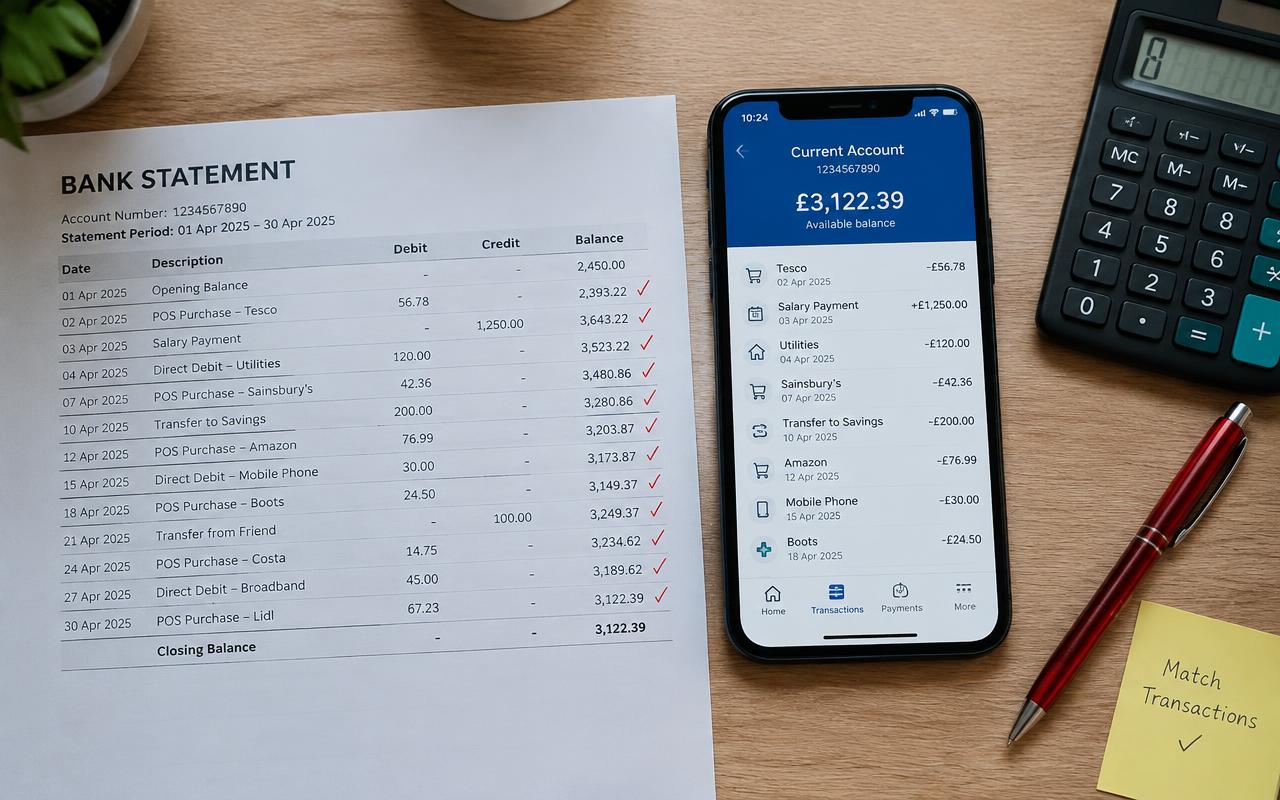
Bank Reconciliation: A Step-by-Step Guide
Bank reconciliation is the single best habit you can build to catch errors, fraud, and missing transactions before they become a real problem.
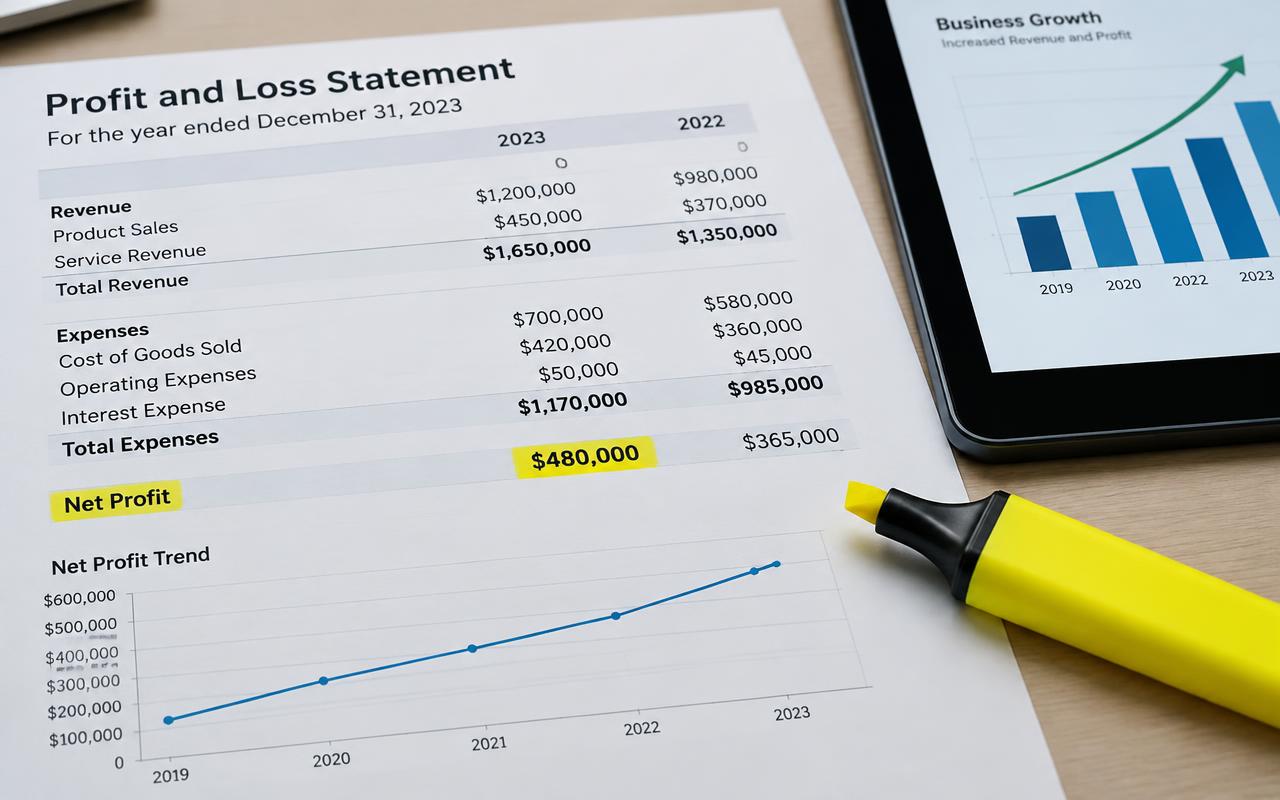
How to Create a Profit and Loss Statement (Step by Step)
The profit and loss statement tells you whether your business actually made money. Here's how to build one and what each line really means.